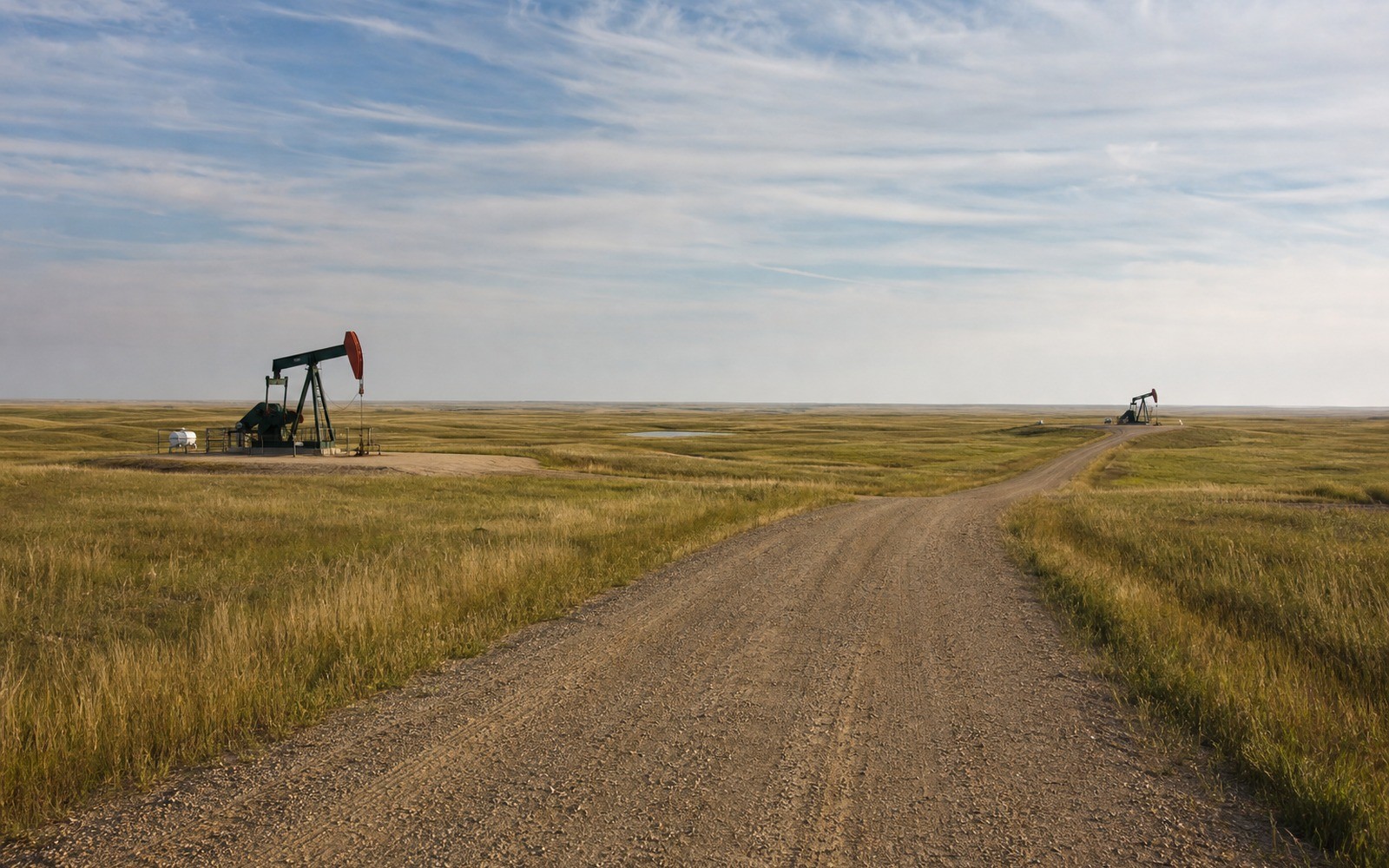
Green River Basin Mineral Rights
Jonah Field and the Pinedale Anticline were two of the tightest, most densely drilled gas fields in the country during their development peak. Both are now well into a long, mature decline.
The Green River Basin covers southwestern Wyoming, with Sublette and Sweetwater counties hosting the basin's two signature developments: Jonah Field and the Pinedale Anticline, both tight gas plays targeting the Lance and Mesaverde formations. Ultra Petroleum built much of its early identity around this basin before a bankruptcy restructuring in the mid-2010s tied to weak gas prices, and Jonah Energy along with legacy BP positions have carried much of the ongoing operation since.
Two of the densest tight gas developments ever drilled
Jonah Field and Pinedale were both drilled at extremely tight well spacing during their development peak in the 2000s and early 2010s, packing in far more wells per section than most conventional gas fields of their era. That density meant the basin produced enormous cumulative gas volumes relatively quickly, but it also meant the most productive locations were drilled out faster than in less densely developed basins, leaving less running room for continued infill drilling once the core areas were built out.
Ultra Petroleum's bankruptcy and what it signaled
Ultra Petroleum, once one of the basin's dominant operators, filed for bankruptcy restructuring in 2016 as sustained weak natural gas prices made its heavily leveraged Pinedale-focused business unsustainable. The company emerged from that process smaller and more conservative, and its experience was a clear signal of how exposed this entirely dry-gas basin is to sustained price weakness, with no oil or liquids revenue to soften the impact the way basins with wetter production have.
What current production looks like for mineral owners
If your family's Green River Basin minerals have produced through this history, your check has likely tracked gas prices closely with limited liquids cushion, and current production is coming predominantly from wells drilled during the basin's development peak years now settling into long-term decline. New drilling continues at a much slower pace than the 2000s boom, concentrated in whatever remaining locations still make sense at current gas prices.
Selling into a mature, price-sensitive basin
Buyers active in the Green River Basin today tend to specialize in mature Rockies gas production and understand the basin's tight spacing history well enough to price remaining locations accurately. Because this basin is purely gas with essentially no oil or liquids cushion, any offer you receive should be evaluated with a clear eye toward how it's assuming future gas prices will trend, since that assumption drives the number more directly here than in a more diversified basin.
Federal land and split-estate ownership
A significant share of Green River Basin development sits on or near federal land managed by the Bureau of Land Management, which adds a layer of federal leasing and permitting process on top of whatever private mineral ownership exists in the area. Split-estate situations, where the surface is federally owned or managed but minerals are privately held, or the reverse, are common here and can affect how quickly a permit moves through the approval process. If you're trying to understand why activity near your tract has been slower than expected, checking whether federal land management is a factor in the specific permitting timeline is worth doing before assuming it's purely a matter of gas price economics. Federal onshore leasing terms, royalty rates, and environmental review requirements can all differ from state or private leases covering the same formation, and those differences are worth understanding clearly before comparing your interest's terms to a neighbor's private-mineral position. Federal minerals also follow their own royalty and revenue reporting rules through the Office of Natural Resources Revenue, which is a different system than what a private mineral owner deals with, and it's worth understanding which framework actually governs your specific check before comparing it against a neighbor's private royalty statement. Sorting this out early avoids a confusing surprise when the numbers don't line up the way you expected.
Questions Owners Ask Before Authorizing a Sale Process
These answers keep every bidder working from the same asset definition, evidence, timing, access, and requested terms.
What are Jonah Field and the Pinedale Anticline?
They're two of the most densely drilled tight gas developments in the country, located in Sublette County, Wyoming, and developed heavily through the 2000s and early 2010s.
Why did Ultra Petroleum go bankrupt?
Sustained weak natural gas prices made its heavily leveraged, Pinedale-focused business model unsustainable, leading to a 2016 bankruptcy restructuring that left the company smaller and more conservative.
Is there still room for new drilling in the Green River Basin?
Some infill locations remain, but the basin's tight original spacing means less remaining running room than less densely developed basins, and current activity is well below its 2000s peak pace.
Why is gas price assumption so important to my mineral value here?
This is a purely dry gas basin with no oil or liquids revenue to cushion price swings, so any valuation depends heavily on assumptions about future gas pricing more directly than in mixed-commodity basins.
Carry the same property schedule, evidence room, bidder rules, deadline, clarification record, and conveyance scope into these related guides.
Want to organize a comparable, documented mineral-sale process?
Send the county and state, owner name, deed reference, operator or payor, recent statement, lease, division order, probate or trust record, and any written offer already received.