Smackover Formation Mineral Rights
This is one of the oldest producing formations in the country, and it just became one of the more interesting again for a reason that has nothing to do with oil.
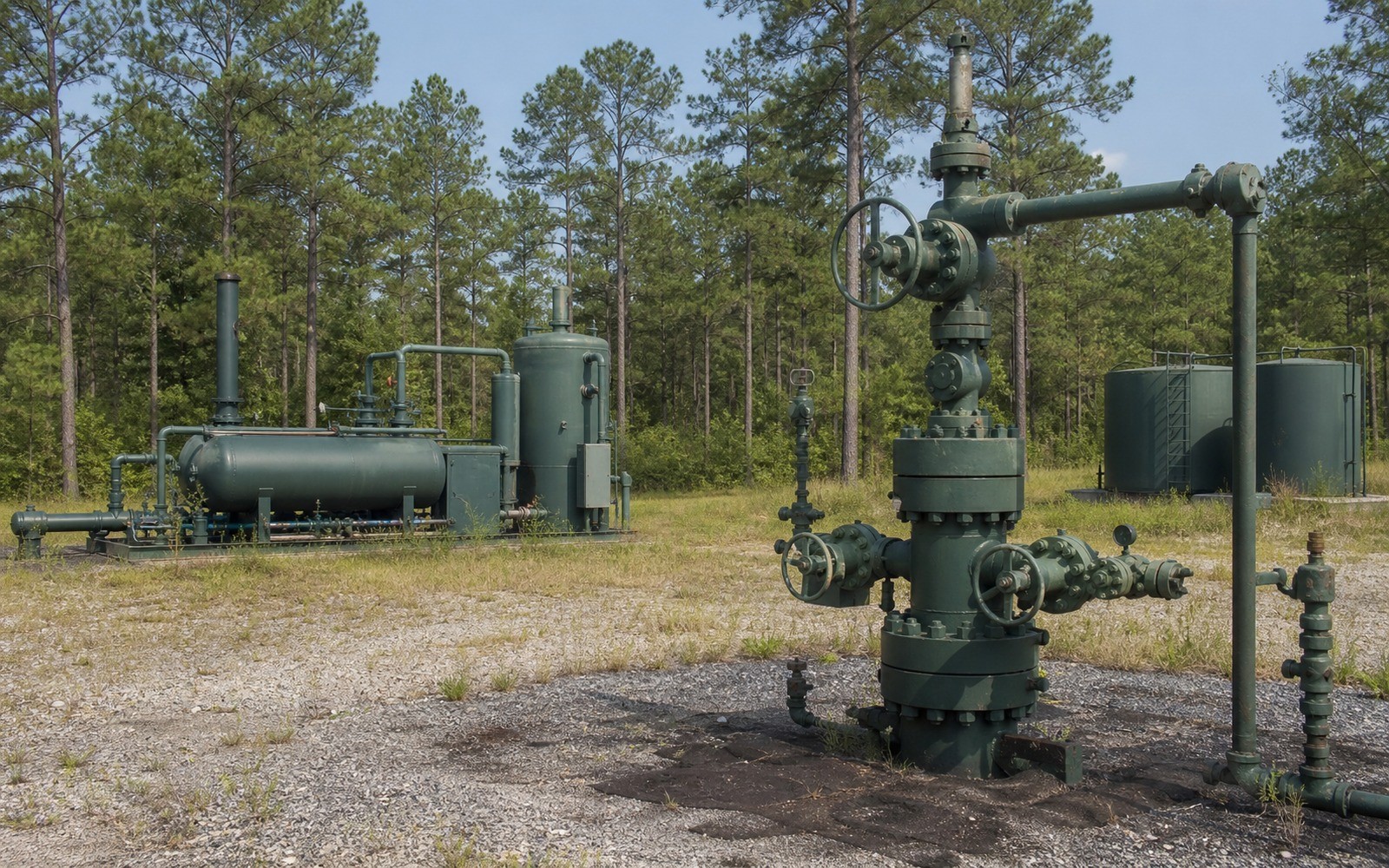
The Smackover Formation underlies a wide stretch of south Arkansas, north Louisiana, and parts of Mississippi and Texas, and it's been producing oil since discoveries in the 1920s and 1930s, making it among the longest-producing formations in American oil history. What's changed recently is a serious wave of interest in extracting lithium from the same Smackover brine that's long been a byproduct of its oil production, driven by battery-grade lithium demand and active projects from companies including Standard Lithium and ExxonMobil's south Arkansas lithium venture.
The legacy oil and gas side
Traditional Smackover oil and gas production is genuinely old, with many producing units tracing back multiple decades and some fields dating to the formation's earliest development era. Union County and surrounding south Arkansas counties, along with parts of north Louisiana, host much of the historically productive acreage. This isn't a growth story in the traditional exploration sense; most current oil and gas production here is legacy, low-decline income from long-established wells rather than new drilling targets.
Why lithium changes the conversation entirely
The Smackover's brine, the saltwater that comes up alongside oil production, carries meaningful lithium concentrations that have historically been treated as waste to be disposed of. Rising demand for battery-grade lithium has made extracting that lithium commercially interesting, and companies have moved from pilot projects to real commercial-scale investment in south Arkansas specifically. This matters directly for mineral owners because lithium rights and oil and gas rights aren't automatically the same thing under every deed — some older conveyances specifically addressed only oil, gas, and associated hydrocarbons, leaving the question of who owns brine mineral rights, including lithium, genuinely unsettled in some cases.
It's worth having your specific deed language reviewed before assuming any lithium development near your tract automatically benefits you the same way oil and gas royalty would.
A genuinely new and evolving buyer landscape
Because lithium-focused Smackover interest is recent, the buyer market for these rights is still developing, and pricing hasn't settled into the kind of established patterns that exist for traditional oil and gas minerals. Some buyers are specifically targeting brine and lithium rights separately from oil and gas rights, which is a distinction worth understanding clearly before signing anything, since you could inadvertently convey rights you didn't intend to separate from your traditional oil and gas interest, or vice versa.
Approaching a sale with both stories in mind
A fair conversation about Smackover minerals today should address your legacy oil and gas production on its own terms, priced against actual trailing production, and separately address whether your tract sits in an area of active or likely lithium brine interest, priced against that entirely different and newer market. Treating these as one blended number risks undervaluing whichever piece is actually the more valuable part of what you own.
Why south Arkansas specifically became the lithium focus
The concentration of lithium-focused investment in south Arkansas, rather than spreading evenly across the entire Smackover trend, reflects specific brine chemistry and concentration advantages found in that particular stretch of the formation, along with existing oil and gas infrastructure that lowers the cost of new extraction facilities built alongside it. Union and Columbia counties in particular have drawn the bulk of announced project activity. If your minerals sit outside this specific concentration area, even within the broader Smackover trend, it's worth tempering expectations that lithium development will necessarily reach your tract on the same timeline, or at all, compared to owners positioned directly within the active project footprint. Public project filings and announced facility locations are a reasonable starting point for gauging your own proximity before taking any buyer's word for it, and this is a young enough market that credible current information is more valuable than reputation or guesswork from a few years back, given how quickly the announced project footprint has continued to shift.
Questions Owners Ask Before Authorizing a Sale Process
These answers keep every bidder working from the same asset definition, evidence, timing, access, and requested terms.
Do I automatically own lithium rights if I own Smackover oil and gas minerals?
Not necessarily. Deed language varies, and some older conveyances addressed only oil, gas, and hydrocarbons specifically, leaving brine and lithium rights a genuinely separate legal question worth reviewing with your specific deed.
Is lithium extraction from Smackover brine actually happening or just proposed?
Real commercial-scale projects are underway in south Arkansas from multiple companies, representing a shift from early pilot testing to active investment.
Is traditional Smackover oil production still active?
Mostly legacy production from long-established wells rather than significant new drilling; it's one of the oldest continuously producing formations in the country.
Should I sell my oil and gas rights and lithium rights together or separately?
That depends on your deed's specific language and whether buyers active near your tract are separating those interests; getting each piece valued on its own terms is worth doing before signing anything.
Carry the same property schedule, evidence room, bidder rules, deadline, clarification record, and conveyance scope into these related guides.
Want to organize a comparable, documented mineral-sale process?
Send the county and state, owner name, deed reference, operator or payor, recent statement, lease, division order, probate or trust record, and any written offer already received.