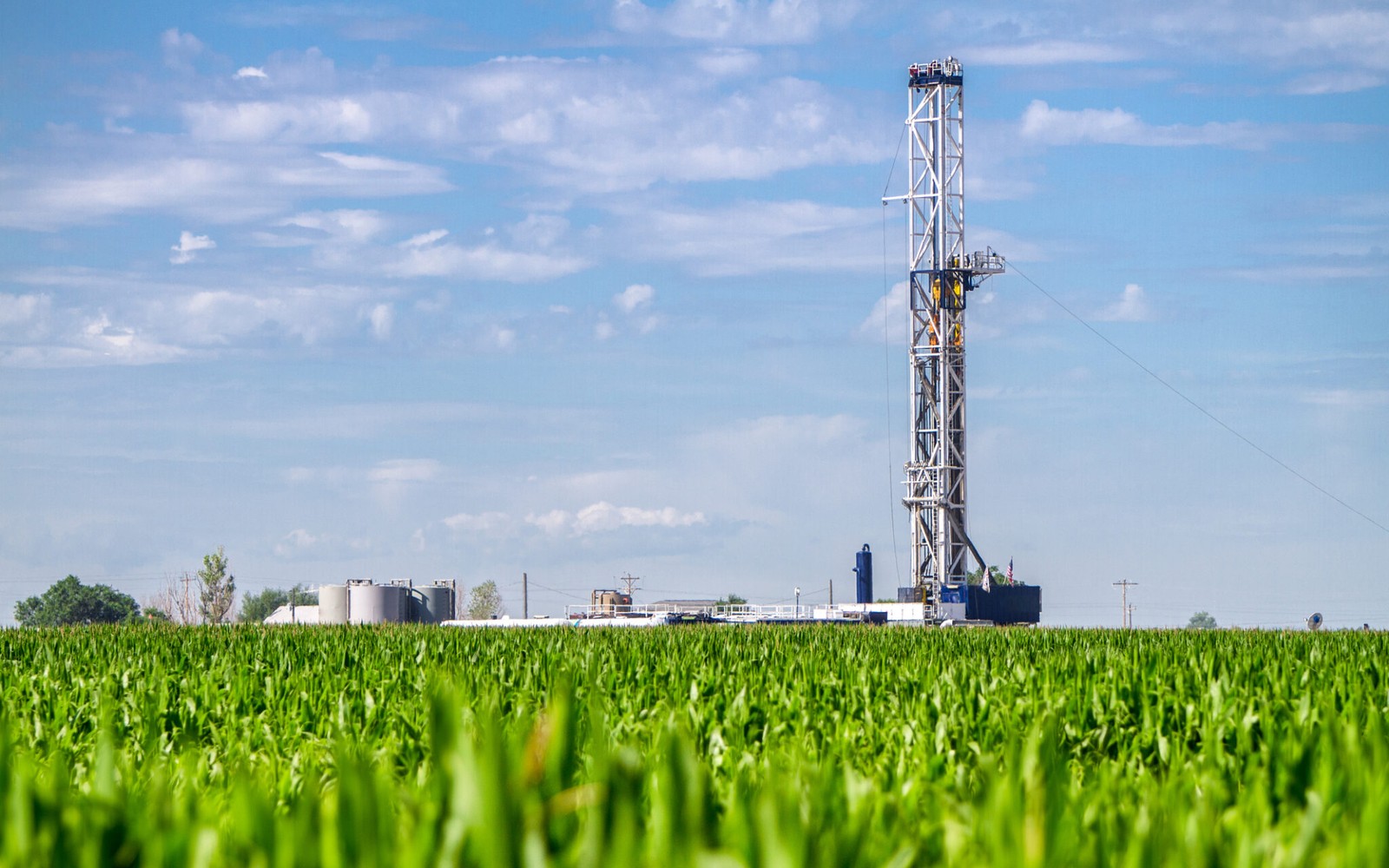
Antrim Shale Mineral Rights
Most people who own minerals here inherited them, don't know much about the play, and are surprised to learn how small and how old this particular piece of the oil and gas map actually is.
The Antrim Shale sits under a wide swath of northern Michigan's Lower Peninsula, and it was developed primarily in the 1980s and 1990s as one of the earliest large-scale unconventional gas plays in the country, well before horizontal drilling and modern fracturing techniques existed. These are shallow wells, drilled vertically, producing a mix of biogenic and thermogenic gas along with meaningful volumes of produced water that required specialized handling even by the standards of the time.
An old play with an old-technology footprint
Because Antrim wells were largely drilled decades before the modern shale boom, they don't benefit from the horizontal drilling and multistage completion techniques that transformed gas economics in plays like the Marcellus or Haynesville. What you're looking at is a mature, shallow gas basin where most of the productive wells have been in the ground and declining for twenty to forty years. New drilling activity in the Antrim is minimal to nonexistent in most counties today.
This matters directly for expectations: there's essentially no growth story to price into a mineral sale here. What exists is whatever production remains from wells drilled a generation ago.
What a modest royalty check tells you
Antrim wells were never big producers individually — the play's economics always depended on drilling large numbers of modest wells across broad acreage rather than any single high-rate well. If your family's royalty check has been small and slowly shrinking for years, that's consistent with the basin's typical decline pattern rather than a sign something unusual is happening with your specific interest. It's still real income, just realistically sized for what this play is.
Who actually buys Antrim minerals
The buyer pool for Antrim Shale interests is narrow and specialized, generally limited to smaller regional funds and individual investors comfortable with modest, declining legacy production rather than the acquisition desks that compete hard over active shale plays elsewhere. It's worth being realistic that a sale process here won't look like a multi-bidder auction. It will look like finding one or two genuinely interested buyers and making sure their offer reflects your actual trailing production rather than a guess.
Deciding whether selling is worth the effort at all
For very small fractional interests with modest remaining production, the honest answer is sometimes that selling isn't worth pursuing aggressively unless you're consolidating a larger estate with many scattered interests, or you simply want to stop dealing with small annual tax filings for a check that's shrinking every year. If that's your situation, a straightforward, low-friction sale to a buyer who specializes in small legacy interests may serve you better than an elaborate process chasing a marginal difference in price.
Produced water and plugging liability
One thing that distinguishes older Michigan Antrim wells from many newer shale wells elsewhere is the volume of produced water associated with coalbed-style gas production, which required disposal infrastructure that itself ages along with the wells. As individual wells approach the end of their economic life, plugging and site restoration become a real cost consideration for the operator, and in some cases that timeline can move faster than a royalty owner might expect based on the check alone. It's worth asking a prospective buyer whether they've reviewed the specific well's regulatory status with the state, since a well nearing plugging carries different value than one with years of production still ahead of it, even if recent checks look similar. State well records in Michigan are public and generally accessible online, so this is a fact you can verify yourself before ever picking up the phone with a buyer, and doing that homework first puts you in a stronger position in any conversation that follows, particularly since buyers in this quiet corner of the market rarely expect a seller to have already done it.
Questions Owners Ask Before Authorizing a Sale Process
These answers keep every bidder working from the same asset definition, evidence, timing, access, and requested terms.
Is anyone still drilling new Antrim Shale wells?
New drilling is minimal to nonexistent in most Antrim counties today; the play's development largely concluded in the 1990s and current production comes from wells drilled decades ago.
Why is my Antrim royalty check so small compared to what I hear about other shale plays?
Antrim wells were never individually high-producing; the play's economics relied on volume across many modest wells, and most are now decades into decline, which is normal for this basin rather than unusual for your interest specifically.
Is it worth selling a small Antrim Shale interest?
It depends on your goals; consolidating a larger fractional-interest estate or simplifying ongoing tax reporting are common reasons to sell even a modest legacy interest, while some owners prefer to keep collecting small checks.
Will I get competitive bidding on an Antrim Shale sale?
The buyer pool is narrow and specialized; expect to find one or two genuinely interested regional buyers rather than a broad competitive auction.
Carry the same property schedule, evidence room, bidder rules, deadline, clarification record, and conveyance scope into these related guides.
Want to organize a comparable, documented mineral-sale process?
Send the county and state, owner name, deed reference, operator or payor, recent statement, lease, division order, probate or trust record, and any written offer already received.