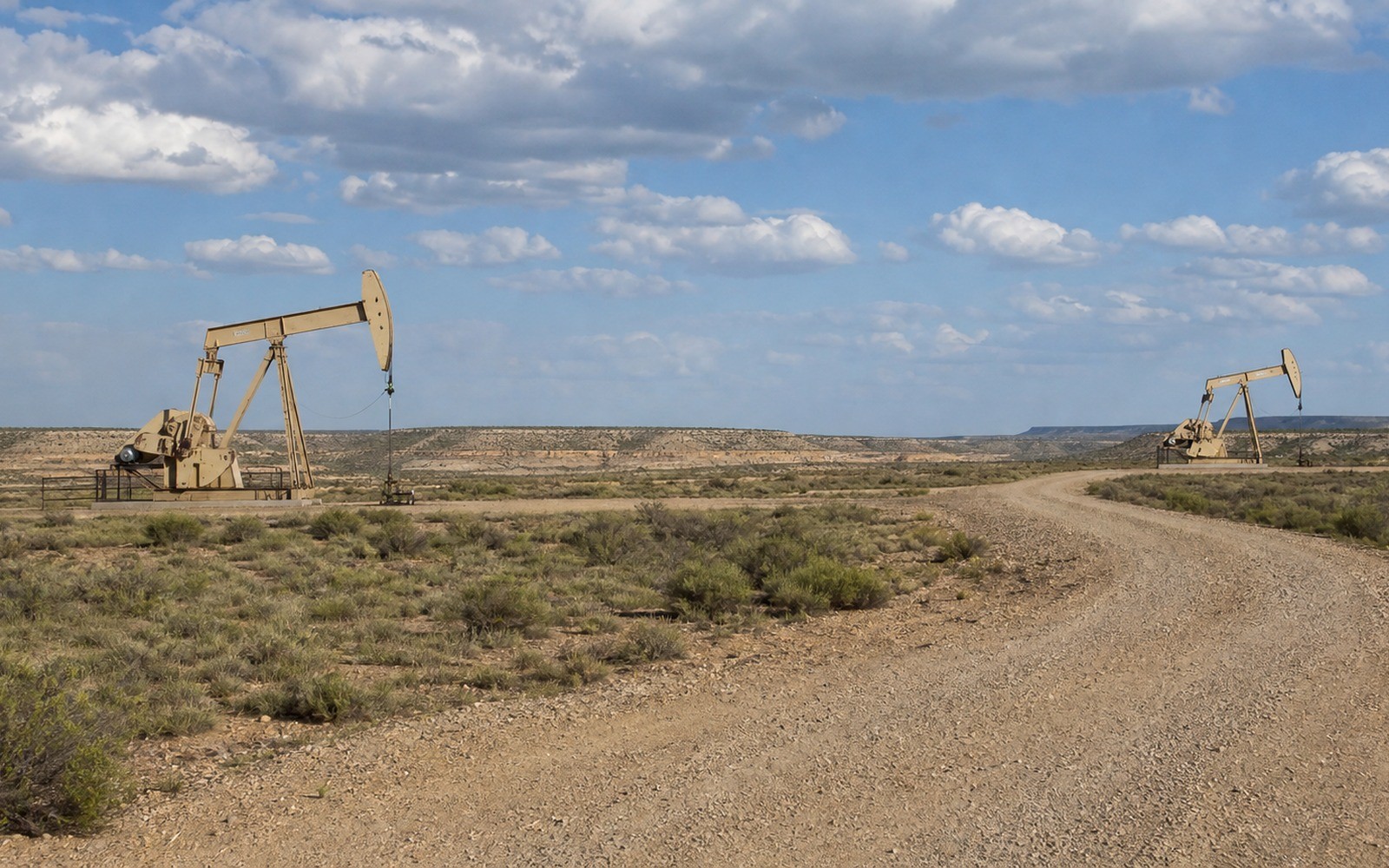
Midland Basin Mineral Rights
Ownership here has consolidated hard over the past few years. Fewer, bigger operators drilling denser programs changes how a listing process works compared to a scattered basin.
The Midland Basin — Midland, Martin, Howard, Glasscock, Reagan, and Upton counties primarily — is the eastern half of the Permian, and it's become one of the most consolidated pieces of oil and gas acreage in the country. Diamondback's absorption of Endeavor and Exxon's acquisition of Pioneer put a huge share of the core under two operators' drilling schedules, which is a different dynamic for mineral owners than a basin with a dozen mid-size operators competing for permits.
What consolidation means for your position
When one or two operators control most of the acreage around your tract, they set the pace of development on their own capital schedule rather than racing competitors for the same rock. That can mean longer waits between spacing units getting drilled, but it also means the operator's plans are more predictable once you know their program — you can often find multi-year development schedules in investor materials that tell you roughly when activity is coming to your section.
For mineral buyers, this predictability is attractive. It's part of why acquisition interest in core Midland counties has stayed strong even as rig counts basin-wide have leveled off from their peak.
Spraberry, Wolfcamp, and the stacked-bench math
Midland Basin wells commonly target the Spraberry, Wolfcamp A/B/C/D benches, Dean, and Jo Mill intervals, sometimes from the same pad using different landing zones. That stacking is why a single 640-acre spacing unit can support a dozen or more producing wells over its life, and it's the core reason Midland Basin royalty interests tend to hold value across multiple development phases rather than peaking with one well and declining from there.
Not every bench is economic in every county, though. Glasscock and Reagan see thinner, more selective development than the Midland-Martin-Howard core, and buyer pricing reflects that difference in expected well count.
Direct sale offers from acquisition desks
Because the operator landscape is now dominated by a small number of very large, well-capitalized companies, mineral acquisition desks specializing in Midland Basin positions can model future development with more confidence than in a fragmented basin. That confidence sometimes shows up as a genuinely fair direct offer, but it also means these buyers know exactly how much upside they're pricing in, and their opening number rarely reflects the top of that range.
A short listing process, even an informal one where you solicit two or three competing quotes before signing anything, closes most of that gap without the time cost of a full public auction.
What to check before signing anything
Confirm your net mineral acres against the deed and any prior conveyances — Midland Basin land titles have passed through multiple generations and partial sales in many families, and it's common for owners to underestimate or overestimate their actual interest. Pull recent division order statements if you have production, and check whether your lease terms include a standard one-eighth or a more current one-quarter-plus royalty, since older legacy leases in this basin sometimes carry rates well below current market.
Non-operated working interests versus royalty
Some Midland Basin owners hold a small non-operated working interest rather than a pure royalty position, typically inherited from an earlier generation that participated in a well's drilling costs directly. A working interest carries both greater upside and real cost exposure to future drilling and operating expenses on the same unit, which is a meaningfully different asset than a royalty interest and should never be valued using the same math. If you're not certain which type of interest you hold, that's worth confirming before any conversation about a sale price, since mixing the two up is one of the more common and costly mistakes owners make when responding to an unsolicited offer. Division order statements and any original participation agreement in your family's records should make this distinction clear if you're uncertain, and it's worth having a landman or broker review those documents directly rather than relying on family memory of how the interest was originally structured decades ago.
Questions Owners Ask Before Authorizing a Sale Process
These answers keep every bidder working from the same asset definition, evidence, timing, access, and requested terms.
Does operator consolidation hurt or help mineral owners?
It cuts both ways. Development becomes more predictable, but you lose the competitive tension of multiple operators bidding for the same drilling slot, which can slow the pace of new wells in some sections.
Which Midland Basin counties are considered core?
Midland, Martin, and Howard counties generally see the densest, most consistent development; Glasscock, Reagan, and Upton are more selective depending on the specific bench.
How many wells can realistically be drilled on my unit?
Stacked-bench development in the Midland core has supported a dozen or more wells per spacing unit in some areas, though this varies widely by county and by which formations are economic there.
Is my older lease royalty rate below current market?
Many legacy Midland Basin leases were signed at one-eighth royalty decades ago, well below rates commonly negotiated today; this affects your net income and should factor into any sale valuation.
Carry the same property schedule, evidence room, bidder rules, deadline, clarification record, and conveyance scope into these related guides.
Want to organize a comparable, documented mineral-sale process?
Send the county and state, owner name, deed reference, operator or payor, recent statement, lease, division order, probate or trust record, and any written offer already received.