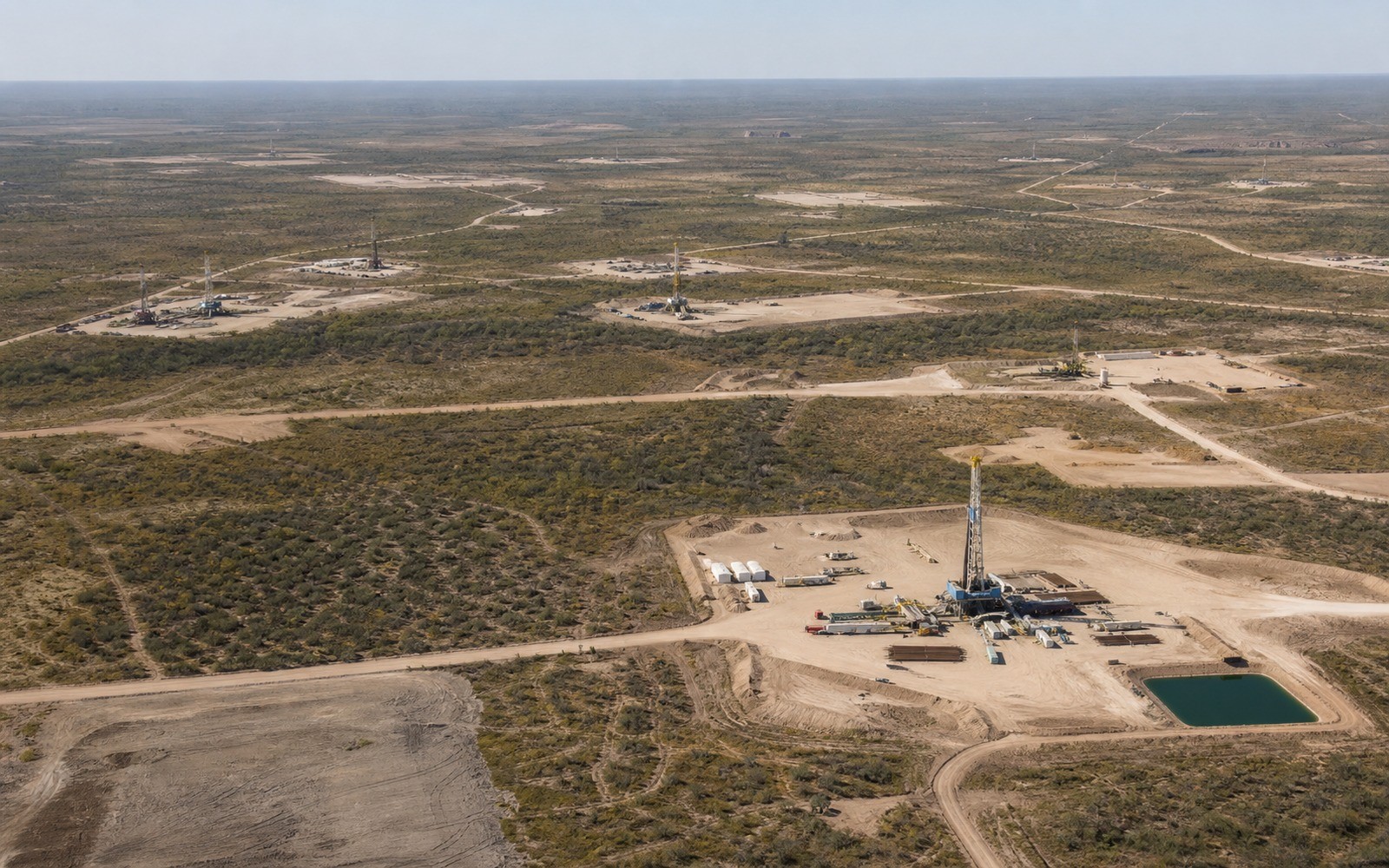
Permian Basin Mineral Rights
Twenty-plus companies actively acquire mineral and royalty interests across the Permian on any given week. That crowd is the whole story of what your position is worth.
If your family owns minerals under Midland, Martin, Howard, Ector, Reeves, Loving, Culberson, Lea, or Eddy counties, you're sitting inside the most drilled sedimentary basin in the country. The Wolfcamp, Spraberry, Bone Spring, and Avalon stack multiple pay zones on top of each other, which is why one section of land can support several horizontal wells landed at different depths without interfering with each other. That stacked-pay geology is also why so many buyers want in.
The Permian splits into the Midland Basin on the east side and the Delaware Basin on the west, separated by the Central Basin Platform. Both sides have active permitting, though rig counts and buyer appetite shift between them as operators rotate capital toward whichever bench is producing the best returns that year.
Why this basin draws a crowd of buyers
Pioneer, Diamondback, EOG, ConocoPhillips, Chevron, Coterra, and Occidental all hold substantial Permian acreage, and beneath them sits a second tier of family offices, mineral funds, and private acquisition desks that exist specifically to buy small non-operated interests. When an operator files a permit or spuds a well near your tract, that activity shows up in public records within days, and it triggers outreach from multiple buyers almost simultaneously.
That's the mechanical reason a single unsolicited postcard or cold call offer on Permian minerals is almost never the strongest number available. The buyer sending it knows the well is coming. They're betting you don't know competitors are watching the same permit filing.
Where you sit matters more than the county line
Core Midland Basin counties like Midland, Martin, and Howard see the tightest well spacing and the deepest buyer pool because operators there are drilling multiple stacked benches on programmed schedules. Move toward the basin edges, into counties like Glasscock's outer reaches or the northern Delaware fringe, and you're in flank acreage where wells are less certain and fewer buyers will compete hard.
Gas-to-oil ratio also shifts the buyer pool. Wolfcamp oil windows in the Midland core draw the broadest bidding. Deeper Delaware Basin intervals run gassier and more overpressured, which narrows the field to buyers comfortable underwriting that production profile and the higher drilling cost that comes with it.
What a listing does that a direct offer can't
A direct-sale buyer prices your interest once, against their own model, and asks you to sign. Listing the same interest for competitive bid puts your production history, decline curve, and offset activity in front of the buyer pool at the same time, so each bidder has to price against the possibility that someone else values it higher. In an active basin like the Permian, that difference regularly shows up in the final number.
The tradeoff is fees and time. A broker fee comes off the top of whatever the interest clears at auction or negotiated sale, and running a real process takes weeks rather than the same-day close a direct buyer will dangle. For a producing interest with real cash flow history, that tradeoff usually favors listing. For a small non-producing interest with thin data, a direct sale to a known buyer can still make sense once you've confirmed the offer isn't lowballing activity you weren't told about.
Reading your royalty statement before you talk to anyone
Your monthly check already tells you which formation is producing, what your net revenue interest is, and how post-production costs are being deducted before you get paid. Any buyer worth talking to will ask for several months of statements before quoting a number, and you should be doing the same math yourself first so you know whether an offer is being pitched against the well's actual decline or against an assumption that you won't check.
Questions Owners Ask Before Authorizing a Sale Process
These answers keep every bidder working from the same asset definition, evidence, timing, access, and requested terms.
Is the Permian still active enough to matter for a small mineral owner?
Yes. Permit and completion activity across Midland and Delaware counties remains among the highest of any US basin, though pace varies bench by bench and year by year with commodity prices.
Does Midland Basin or Delaware Basin sell for more?
Neither side is uniformly higher. Pricing depends on which bench is under your tract, current production if any, and how active nearby operators are that quarter, more than which side of the Central Basin Platform you're on.
What if I only own a small fractional interest inherited from family land?
Small fractional interests still draw buyer interest in the Permian because acquisition desks aggregate many small positions into larger blocks. Your size affects who bids, not whether anyone does.
Should I sell before or after a well is drilled on my tract?
There's no single right answer; pre-drill sales carry more upside and more risk, post-completion sales price against real production data. A broker can model both scenarios against your specific lease terms before you decide.
Carry the same property schedule, evidence room, bidder rules, deadline, clarification record, and conveyance scope into these related guides.
Want to organize a comparable, documented mineral-sale process?
Send the county and state, owner name, deed reference, operator or payor, recent statement, lease, division order, probate or trust record, and any written offer already received.