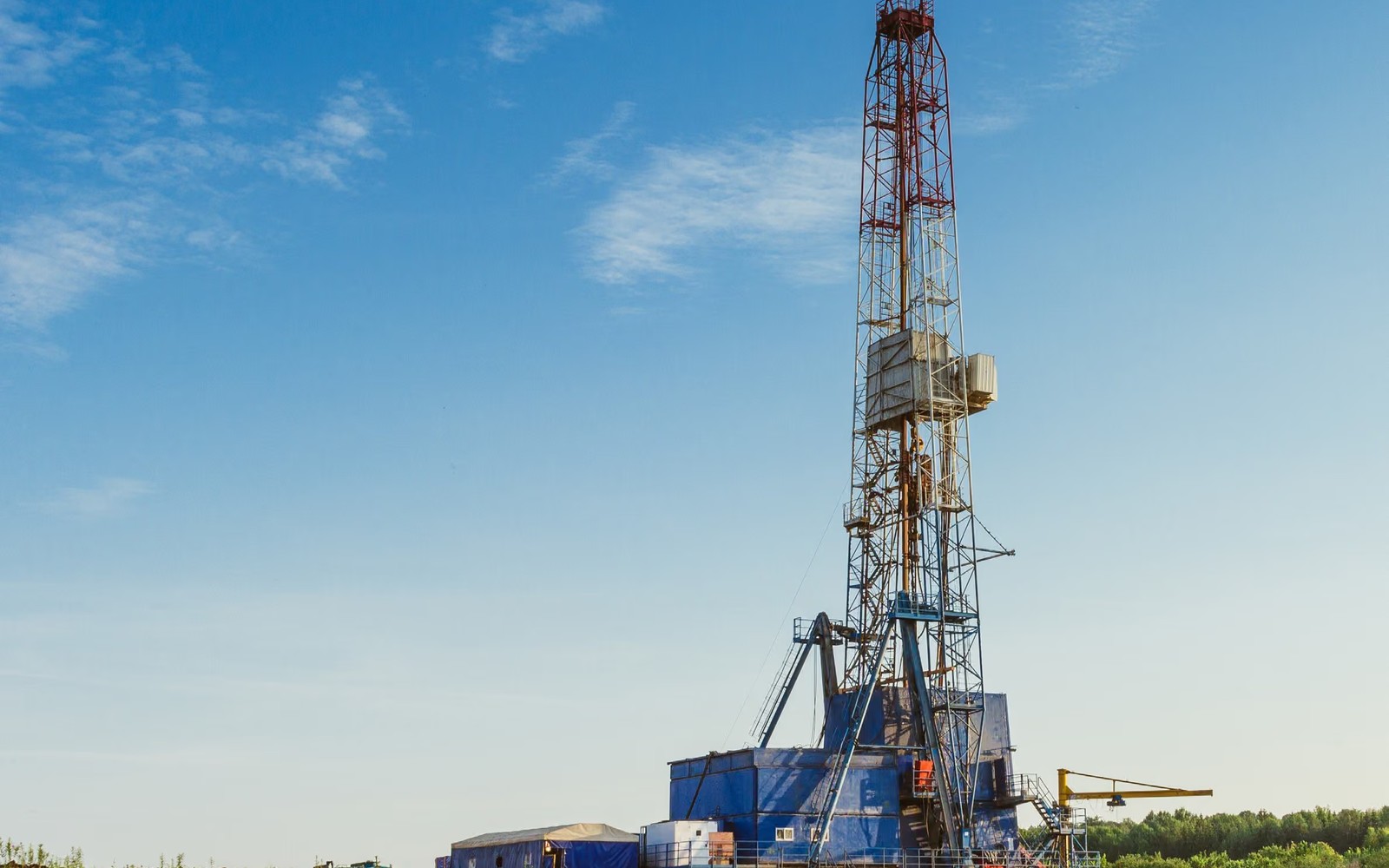
Fayetteville Shale Mineral Rights
Southwestern Energy built this play into a major dry-gas producer in the mid-2000s, and it's since become a case study in what a persistent gas glut does to a basin's drilling economics.
The Fayetteville Shale sits under the Arkoma Basin in north-central Arkansas, with Conway, Van Buren, White, and Cleburne counties forming the core of its development. Southwestern Energy pioneered the play in the mid-2000s, building it into one of the country's larger dry gas basins before selling much of its position off in later years as gas prices stayed persistently weak and capital shifted toward liquids-rich plays elsewhere. Today it's a mature, largely maintenance-mode basin rather than an active drilling frontier.
Why dry gas economics turned against this play
The Fayetteville produces gas with essentially no liquids to sweeten the revenue mix, which put it in direct competition for operator capital against liquids-rich basins like the Eagle Ford's condensate window and the Marcellus's wet gas core. When gas prices softened for extended stretches over the past decade, wells here simply couldn't compete for drilling budgets against plays offering an NGL cushion, and rig counts fell accordingly and never fully recovered.
This isn't a story about the rock being bad. The Fayetteville produced reliably for years. It's a story about capital going where the economics were better.
What current production looks like
Most Fayetteville wells were drilled during the play's 2005 to 2012 development window and have since settled into predictable, low-decline production. If you've owned this interest for a while, your check has probably stabilized at a lower, steadier level than in the well's early years, which is the normal pattern for a mature dry gas asset rather than a sign of any problem specific to your tract.
Could this play see renewed interest?
It's worth noting honestly that renewed LNG export demand has lifted interest in some other dry gas basins, particularly the Haynesville given its Gulf Coast proximity. The Fayetteville sits further from export infrastructure and hasn't seen the same pickup, though it's not impossible that sustained higher gas prices could eventually justify some renewed drilling here. Owners shouldn't count on that timeline for planning purposes, but it's a fair factor to ask a buyer about when discussing current offers.
A realistic approach to selling
Buyers active in the Fayetteville today are generally smaller funds focused on stable legacy Mid-Continent and Arkoma production rather than growth-chasing acquisition desks. A fair offer here should be priced against your trailing production history and a reasonable long-term decline assumption, not against hopes of new drilling that isn't currently materializing. As with any mature basin, getting more than one quote is worth the modest extra effort even in a thinner market.
What Southwestern's exit signaled
Southwestern Energy's decision to sell off much of its original Fayetteville acreage in stages over the years, ultimately shifting its own corporate focus toward Appalachian gas before merging into what's now Expand Energy, was one of the clearest signals of how the industry's capital priorities moved away from this basin. The buyers who picked up those divested assets have generally run them as steady cash-generating legacy positions rather than growth platforms, which is consistent with how the basin behaves for mineral owners today: real, dependable production, but without the kind of operator-driven upside that comes from a company actively expanding its footprint in your county. It's a reminder that a basin's history matters less than its current operator's actual plans, and it's worth asking any buyer directly what those plans are for the specific operator active near your tract before assuming either the best or worst case. Arkansas Oil and Gas Commission filings can confirm current operator of record and recent activity for your specific section if you want to verify this independently rather than relying solely on what a buyer tells you, and it's a small enough task that there's no good reason to skip it before agreeing to any number.
Questions Owners Ask Before Authorizing a Sale Process
These answers keep every bidder working from the same asset definition, evidence, timing, access, and requested terms.
Is the Fayetteville Shale still being drilled?
New drilling has slowed sharply from its 2005-2012 peak; most current production comes from established wells rather than new development, and the pace hasn't recovered the way some other dry gas basins have.
Why did gas prices hit this play harder than others?
Fayetteville gas is dry with no liquids revenue cushion, so it competes directly against liquids-rich plays for operator capital, and it's lost that competition during extended periods of soft gas pricing.
Could renewed LNG demand bring drilling back to the Fayetteville?
It's possible with sustained higher gas prices, but the play sits further from Gulf Coast export infrastructure than the Haynesville, so it hasn't seen the same recent pickup and shouldn't be assumed on any particular timeline.
What kind of offer should I expect on a mature Fayetteville interest?
A fair offer should reflect your actual trailing production and a realistic decline curve rather than speculative future drilling; getting multiple quotes still helps even in this smaller buyer pool.
Carry the same property schedule, evidence room, bidder rules, deadline, clarification record, and conveyance scope into these related guides.
Want to organize a comparable, documented mineral-sale process?
Send the county and state, owner name, deed reference, operator or payor, recent statement, lease, division order, probate or trust record, and any written offer already received.