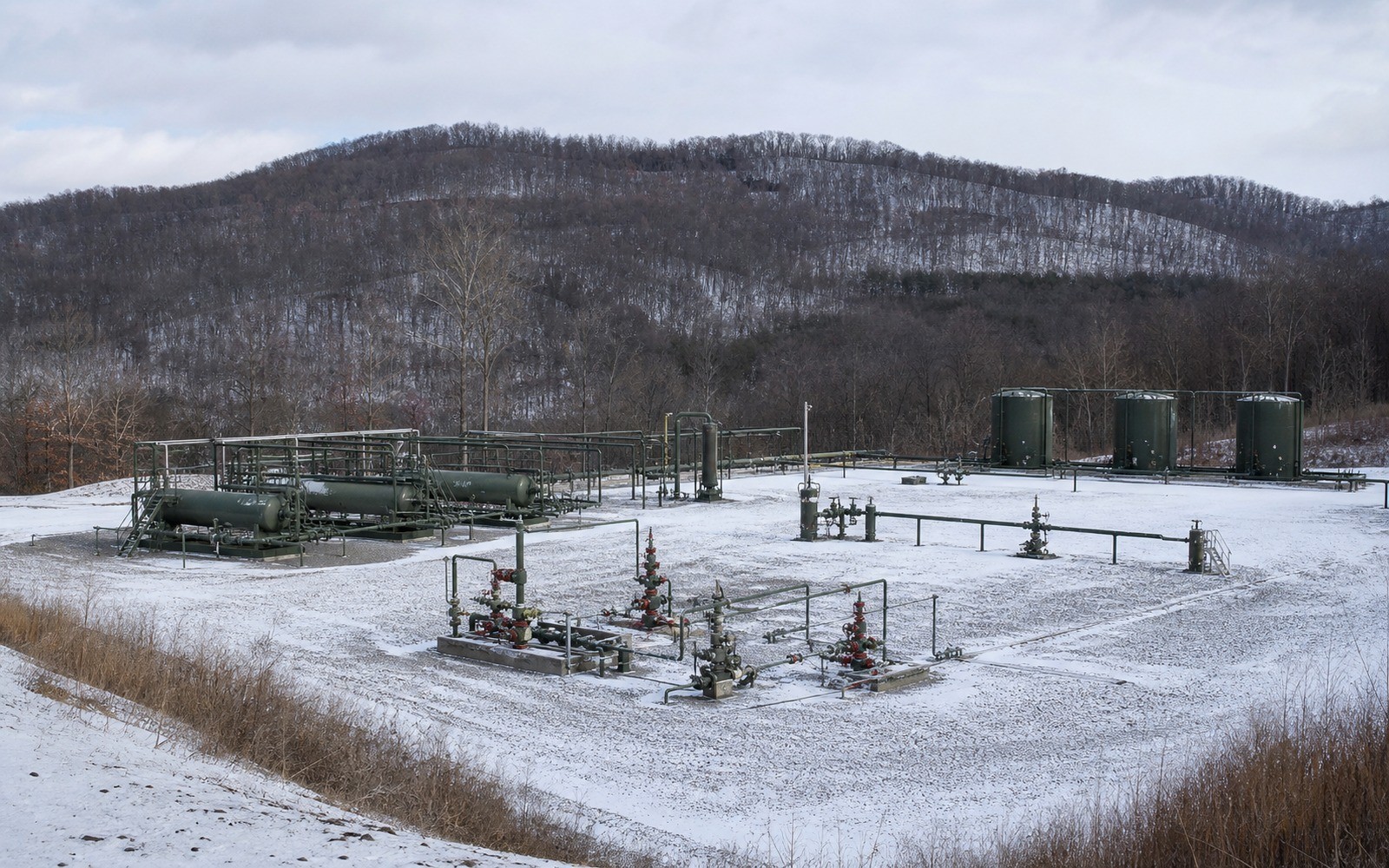
Utica Shale Mineral Rights
Ohio's Utica Shale gets compared to the Marcellus constantly because they sit close together geographically, but the two plays behave differently enough that treating them as interchangeable will cost you.
The Utica Shale sits underneath eastern Ohio, generally deeper than the overlying Marcellus, and reaches into western Pennsylvania and West Virginia as well, though Ohio hosts the most concentrated horizontal development. Belmont, Monroe, and Guernsey counties in Ohio's eastern reaches form the wet gas and condensate core, while the play turns drier to the west. Ascent Resources and Encino Energy are the two largest operators, with EQT and Gulfport also holding meaningful acreage.
A deeper, higher-pressure target than the Marcellus
Because the Utica sits below the Marcellus in the same general geography, wells targeting it run deeper and typically require higher-pressure completion designs. That raises drilling costs relative to a shallower Marcellus well nearby, which is part of why Utica development has stayed more concentrated in its highest-return counties rather than spreading as broadly as the Marcellus has across Appalachia.
Some operators have drilled Utica and Marcellus laterals from the same well pads, targeting both formations from a shared surface location, which is worth knowing if you're trying to understand why a single pad site near your property might be associated with multiple lease offers referencing different formations.
The wet gas core and why it draws the most interest
Belmont and Monroe counties, along with parts of Guernsey, sit in the Utica's most liquids-rich window, and that NGL content has been the main driver of operator interest here relative to drier Utica acreage further west or into parts of the play extending toward Pennsylvania. If your minerals sit in this eastern Ohio core, you're in the part of the play that's drawn the most consistent operator commitment and buyer competition over the past several years.
Ohio's mandatory pooling and unitization rules
Ohio, like Oklahoma, allows for mandatory unitization of minerals into a drilling unit under certain conditions, administered through the Ohio Department of Natural Resources. If your family's interest has been swept into a unit through this process rather than a voluntary lease, it's worth understanding the specific unitization order terms, since they set your royalty rate and can differ meaningfully from what a voluntarily negotiated lease in the same county might have secured.
Comparing offers in a two-formation county
Because eastern Ohio counties frequently have both Marcellus and Utica potential under the same tract, it's worth confirming exactly which formation any offer or lease is referencing before comparing numbers to a neighbor's deal or a published county average. A broker who separates the two plays clearly when evaluating your interest, rather than blending them into one number, is going to give you a more accurate picture of what you actually own.
Point Pleasant as the specific target within the Utica
Most of the horizontal drilling described broadly as Utica development actually targets the Point Pleasant interval at the base of the Utica formation specifically, a distinction that matters more to geologists than most mineral owners but that shows up in how operators describe their acreage and results. This zone tends to be thicker and more consistently productive in the play's core eastern Ohio counties than the overlying Utica shale proper, which is part of why development has stayed concentrated in a fairly defined geographic core rather than spreading broadly across the formation's full mapped extent. If you're comparing well results or offers against a neighbor's, confirming both interests reference the same specific target zone avoids comparing genuinely different things, and it's a reasonable question to put directly to any buyer citing offset well performance as justification for their number. The Ohio Department of Natural Resources publishes well-level production data that breaks out formation and target zone, so this is verifiable rather than something you have to accept on a buyer's word alone, and checking it before you negotiate puts you on more even footing, especially when the offer you've received cites strong nearby results without specifying which formation those results actually came from. Getting that specificity in writing protects you if the actual well results turn out to be less impressive than described.
Questions Owners Ask Before Authorizing a Sale Process
These answers keep every bidder working from the same asset definition, evidence, timing, access, and requested terms.
Is the Utica Shale the same as the Marcellus?
No. They're separate formations, with the Utica sitting deeper and requiring higher-pressure completions; they're sometimes drilled from the same surface pads but priced and evaluated separately.
Which Ohio counties are considered core Utica acreage?
Belmont, Monroe, and parts of Guernsey County sit in the liquids-rich core that has drawn the most consistent operator and buyer interest.
What is mandatory unitization in Ohio?
It's a process allowing operators to include minerals in a drilling unit under state approval even without a voluntary lease from every owner; unitization order terms set the applicable royalty rate.
Who are the largest Utica operators right now?
Ascent Resources and Encino Energy hold the largest positions, with EQT and Gulfport also active in parts of the play.
Carry the same property schedule, evidence room, bidder rules, deadline, clarification record, and conveyance scope into these related guides.
Want to organize a comparable, documented mineral-sale process?
Send the county and state, owner name, deed reference, operator or payor, recent statement, lease, division order, probate or trust record, and any written offer already received.