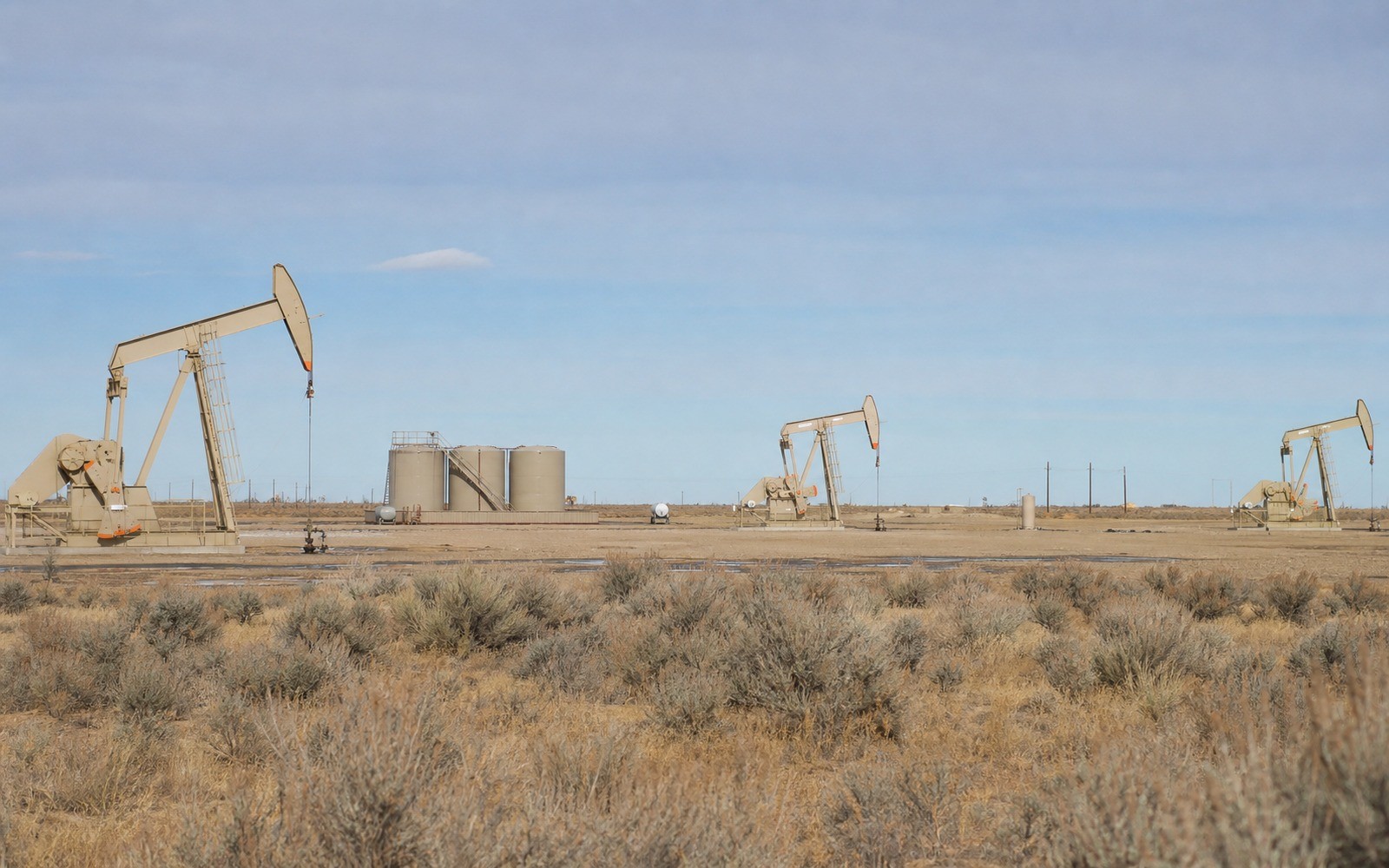
Niobrara Mineral Rights
The Niobrara Chalk gets its name recognition from the tightly developed DJ Basin core, but the formation itself extends across a much wider, far less proven stretch of the plains.
The Niobrara Chalk and Marl is the formation that underlies the DJ Basin's core Weld County development, but it extends well beyond that established area, spreading across a broader stretch of eastern Colorado, Wyoming, and western Nebraska. Outside the densely drilled DJ core, this formation has seen scattered, exploratory-stage interest rather than the sustained multi-well-pad development that defines Weld County proper, and it's important for owners in these outer areas to understand that distinction clearly rather than assume DJ Basin activity levels apply to their tract.
Why the formation behaves so differently outside the core
Chalk and marl thickness, natural fracturing, and pressure regime all vary considerably as you move away from the thickest, most productive part of the Niobrara under Weld County. Wells drilled in these outer extension areas have produced genuinely mixed results — some operators have found economic production, others have drilled dry or marginal wells and moved on. That inconsistency is the core reason this remains a speculative, exploratory-stage position in most areas rather than a proven development play.
Nebraska and Wyoming: even less development history
Nebraska's Niobrara acreage has seen only limited horizontal test drilling over the years, generally without triggering the kind of sustained follow-on development that would establish a clear production trend. Wyoming's portion of the formation, separate from the state's Powder River Basin activity, has seen similarly sparse interest. If your family's minerals sit in either state under Niobrara-prospective acreage, it's realistic to expect this to remain an undeveloped or lightly tested position for the foreseeable future absent a specific operator announcing plans nearby.
What an offer on undeveloped Niobrara acreage actually reflects
Because there's limited nearby production data in most extension areas, offers on undeveloped Niobrara minerals outside the DJ core are inherently more speculative and should be evaluated as such. A buyer offering to purchase this kind of position is generally betting on future exploratory success rather than paying against known, proven production, which is a fundamentally different transaction than buying a producing DJ Basin interest, and the price should reflect that speculative nature honestly on both sides.
Deciding whether to sell speculative acreage or hold it
For owners of undeveloped Niobrara minerals outside the proven core, selling now locks in a modest but certain amount for a position that might otherwise sit undeveloped for years, while holding preserves optionality if an operator eventually tests your specific area successfully. Neither choice is inherently wrong; it depends on your own tolerance for a long, uncertain wait against a smaller but immediate payout.
Reading the difference between a lease offer and a mineral sale offer
In speculative acreage like much of the outer Niobrara, it's common to receive a lease offer, which pays a bonus for the right to explore and produce over a set term without transferring your underlying ownership, rather than an outright purchase offer for the minerals themselves. These are fundamentally different transactions, and it's worth being clear on which one you're being asked to sign. A lease preserves your long-term ownership and royalty upside if a well is eventually drilled successfully, while a mineral sale converts your entire position, including any future upside, into a single payment today. Neither is automatically the better choice, but confusing the two can lead to giving up more than you intended. Reading the actual document title and the granting clause language before signing anything is the simplest way to avoid this mistake, and any legitimate buyer or lessee should be willing to walk you through exactly which transaction they're proposing. If a company representative seems reluctant to clarify this distinction plainly when asked, treat that reluctance itself as useful information about how the rest of the deal is likely to go, and don't hesitate to walk away and ask someone else the same direct question. A little patience here tends to serve owners better than settling for the first number offered.
Questions Owners Ask Before Authorizing a Sale Process
These answers keep every bidder working from the same asset definition, evidence, timing, access, and requested terms.
Is Niobrara acreage outside the DJ Basin core the same value as Weld County minerals?
No. The formation extends well beyond the established DJ core, but outer areas have seen far less development and much more variable well results, making them a genuinely different, more speculative position.
Has Nebraska seen real Niobrara development?
Only limited horizontal test drilling has occurred there historically, without establishing a sustained development trend, so most Nebraska Niobrara acreage remains lightly tested.
Why would a buyer want undeveloped, unproven Niobrara minerals?
They're generally betting on future exploratory success in a specific area, which is a speculative transaction rather than a purchase against known production.
Should I hold undeveloped Niobrara minerals or sell now?
That depends on your tolerance for an uncertain, potentially long wait for development versus taking a smaller, certain amount now; there's no universally correct answer.
Carry the same property schedule, evidence room, bidder rules, deadline, clarification record, and conveyance scope into these related guides.
Want to organize a comparable, documented mineral-sale process?
Send the county and state, owner name, deed reference, operator or payor, recent statement, lease, division order, probate or trust record, and any written offer already received.