San Juan Basin Mineral Rights
This basin has two very different stories running at once: an old coalbed methane play winding down, and a newer, more selective oil play that hasn't fully proven itself yet.
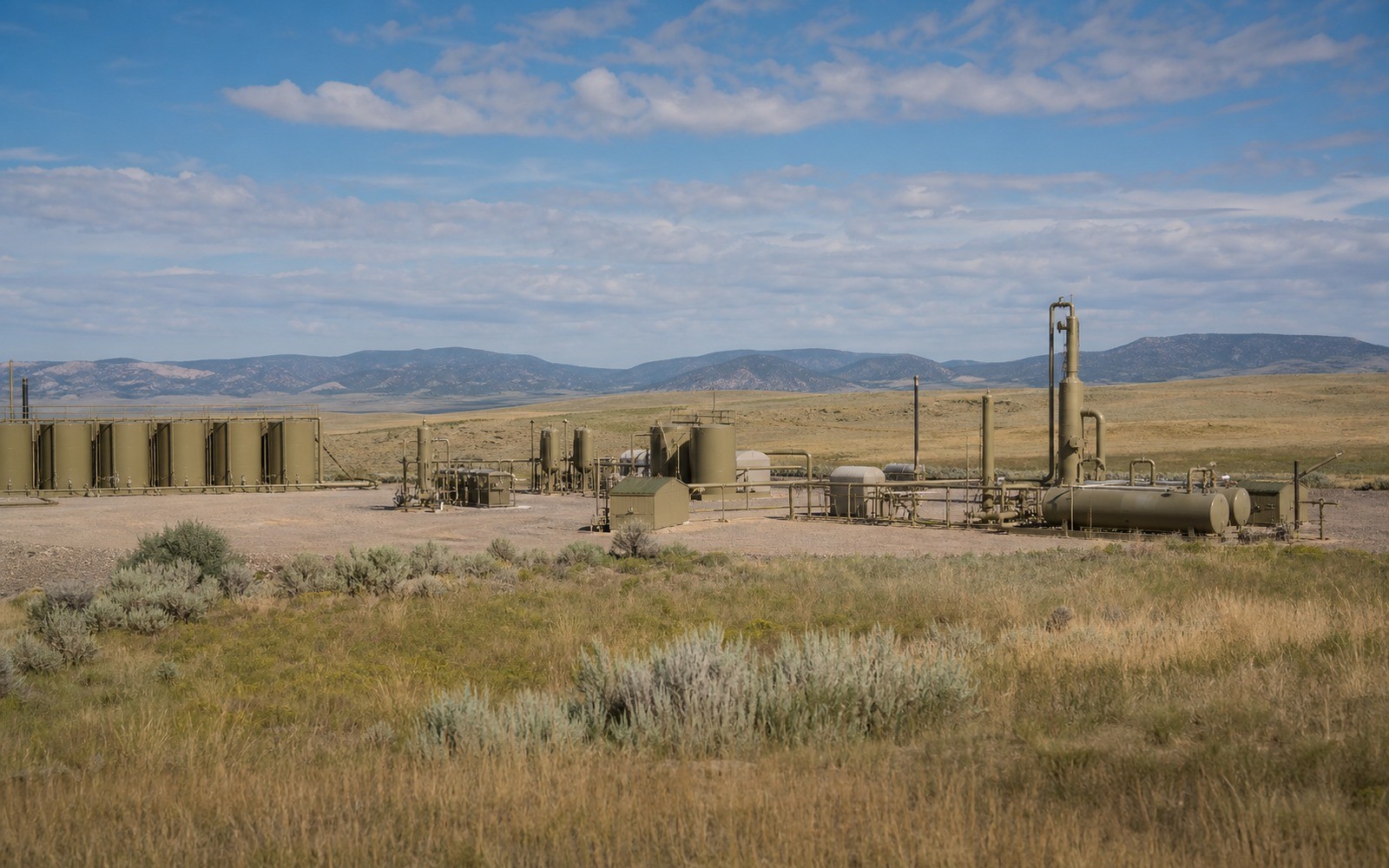
The San Juan Basin spans northwestern New Mexico and southwestern Colorado, with San Juan and Rio Arriba counties in New Mexico and La Plata County in Colorado forming its core. It was one of the country's largest coalbed methane basins through the 1990s and 2000s, and more recently operators including Ovintiv, formerly Encana, and WPX have tested horizontal Mancos Shale oil development layered above the older coal seams.
The coalbed methane legacy
Most of the San Juan's historical production came from coalbed methane wells drilled into the Fruitland Formation coal seams, a technology that dominated basin development for two decades. That era has largely run its course — coal seam gas wells decline over time like any other producing asset, and CBM-specific drilling has slowed to nearly nothing as the most productive coal acreage was developed years ago. If your family's minerals have produced CBM royalty for a long stretch, you're likely looking at a mature, low-decline income stream rather than a growth story.
Mancos Shale oil: real but still selective
The newer chapter here is horizontal development of the Mancos Shale, targeting oil rather than the basin's traditional gas production. This has drawn renewed operator interest in specific parts of the basin, but it's been more selective and slower-moving than shale plays elsewhere in the country, partly due to the basin's complex geology and partly due to it competing for capital against faster-payback plays like the Permian. Not every San Juan Basin tract sits in an area where Mancos development is being pursued, so it's worth checking specifically whether any Mancos activity has occurred near your section rather than assuming basin-wide momentum applies to your minerals.
Air quality regulation and permitting
The San Juan Basin has faced elevated regulatory scrutiny tied to methane emissions monitoring, given its history and mineral interest-detected methane hotspot studies over the years. Both New Mexico and federal regulators have tightened methane rules affecting basin operators, which adds a compliance cost layer that factors into operator economics and, indirectly, into how aggressively companies pursue new development here versus elsewhere.
Selling a two-track legacy interest
Because this basin has both a declining legacy CBM component and a more speculative newer oil component, it's worth having any offer broken out clearly: what's it valuing for your existing coal seam production, and separately, what if anything is it assigning for Mancos Shale potential under your specific tract? A single blended number can obscure whether you're getting fair value for the part that's actually producing today.
Tribal and federal land considerations
A significant portion of the San Juan Basin sits on or near Navajo Nation, Southern Ute, and Jicarilla Apache tribal lands, along with substantial federal Bureau of Land Management acreage, which adds layers of jurisdiction that don't exist in most other basins covered here. Mineral ownership, surface ownership, and regulatory authority can each sit with different parties depending on the specific tract, and permitting timelines can run longer where tribal or federal review processes apply. If your family's minerals are anywhere near these boundaries, confirming exactly which regulatory framework governs your specific tract is worth doing early, since it can materially affect both development timelines and who you'd actually be negotiating with. A broker familiar with this basin's specific jurisdictional patchwork can save real time compared to working it out from scratch on your own, and that familiarity often shows up directly in how quickly a sale can actually close once terms are agreed, which matters if you're trying to settle an estate on any kind of reasonable timeline. That's a real, practical benefit worth weighing alongside the raw dollar figure any buyer quotes you. That's not a minor consideration when multiple jurisdictions and generations of family are involved in the same tract.
Questions Owners Ask Before Authorizing a Sale Process
These answers keep every bidder working from the same asset definition, evidence, timing, access, and requested terms.
Is coalbed methane still being drilled in the San Juan Basin?
New CBM drilling has slowed to nearly nothing; most current coalbed methane production comes from wells drilled years or decades ago that are now in long-term decline.
What is Mancos Shale development and does it affect my minerals?
It's a newer horizontal oil play layered above the traditional coal seams, pursued selectively in parts of the basin; whether it affects your specific tract depends on nearby permitting activity, which is worth checking directly.
Does methane regulation affect what my minerals are worth?
Tighter methane monitoring and compliance rules add cost for operators, which can factor into development pace, though it doesn't change the fundamental value of production already flowing from existing wells.
How should I evaluate an offer that covers both CBM and potential Mancos value?
Ask for the offer to be broken out by what it's paying for existing production versus speculative future development, so you can judge whether each piece is being valued fairly.
Carry the same property schedule, evidence room, bidder rules, deadline, clarification record, and conveyance scope into these related guides.
Want to organize a comparable, documented mineral-sale process?
Send the county and state, owner name, deed reference, operator or payor, recent statement, lease, division order, probate or trust record, and any written offer already received.